Expert Machining & Machine Shop Services for Custom Industrial Parts
Specialized machining and machine shop capabilities serve a vital function in the production of custom industrial parts. These services support numerous industries, ensuring exactness and quality in every piece. Experienced machinists utilize advanced methods to meet specific project requirements. Understanding the details of these processes can considerably influence product results. As industries progress, so too do the technologies that drive these solutions. What does this mean for future manufacturing processes?
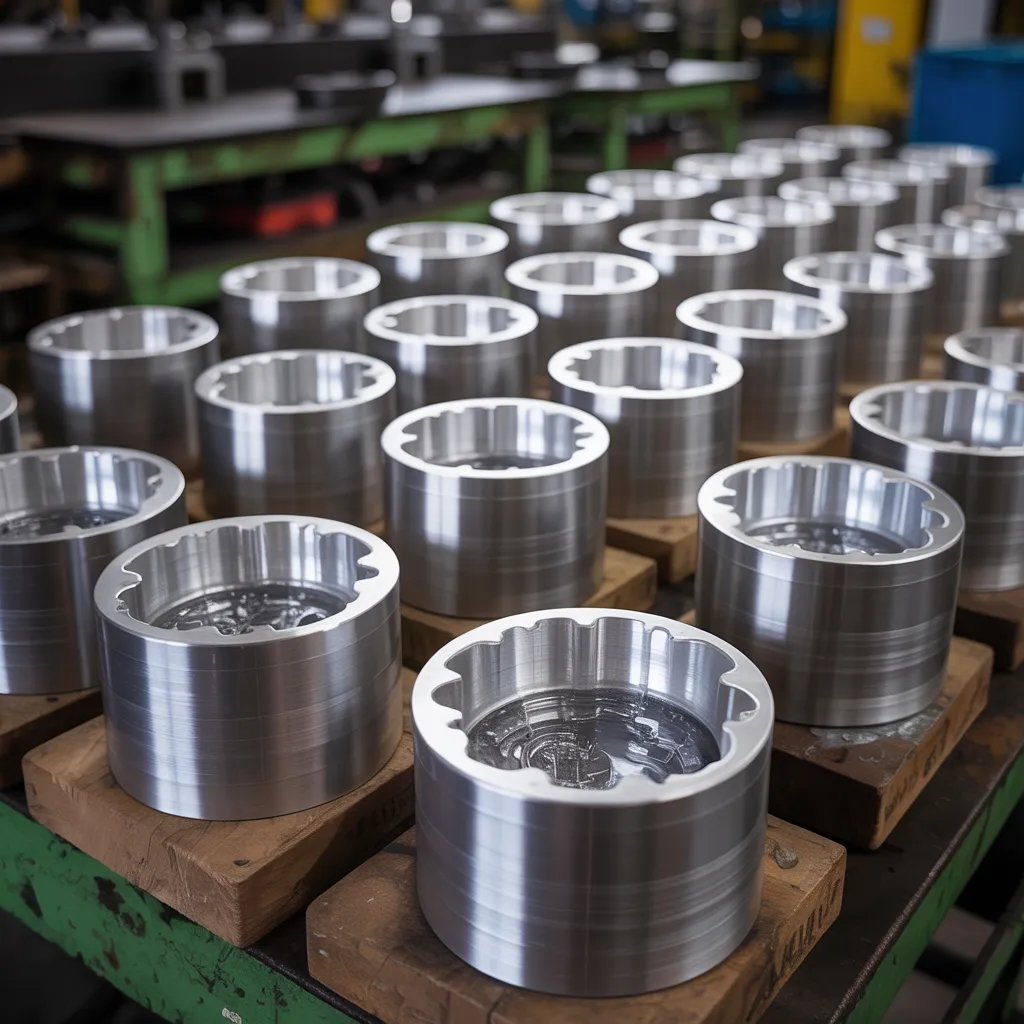
Key Benefits of Custom Machined Parts Throughout Various Industries
While mass-produced components have their place, custom machined parts deliver notable advantages that can significantly enhance numerous industries. One of the principal benefits is precision; custom machining permits exact specifications suited to specific applications, delivering maximum performance. This level of accuracy lessens the likelihood of errors and lessens the need for adjustments during assembly.
Moreover, custom machined parts provide greater material versatility, enabling engineers to choose suitable materials according to the environmental conditions and performance requirements. This adaptability can significantly enhance the longevity and durability of components.
Moreover, custom solutions can stimulate innovation, as one-of-a-kind designs can bring about superior functionality and efficiency. In areas such as aerospace, automotive, and medical, where performance is critical, these advantages become essential. In the end, the ability to manufacture specialized parts contributes to improved productivity and competitiveness in different industries.
What Are Expert Machining and Machine Shop Capabilities?
Specialized machining and machine shop solutions deliver a comprehensive array of services designed to satisfy the needs of various industries. These services include a variety of processes, including accurate machining, CNC machining, milling, turning, and grinding, enabling the creation of sophisticated and detailed components. Experienced machinists employ cutting-edge technology and equipment to provide accuracy and efficiency in producing custom parts.
In addition, expert machining services often include design advisory services, prototyping, and quality assurance, guaranteeing that the final products meet stringent specifications and industry standards. With capabilities to work with a diverse selection of materials, from metals to plastics, these machine shop solutions cater to sectors such as aerospace, automotive, medical, and energy. By leveraging skill in machining techniques and industry understanding, these service providers help organizations achieve their production goals while maintaining top-tier outcomes.
Picking the Right Machining Partner: Key Elements to Consider
When selecting the ideal machining partner, what essential factors should be factored in? Above all, the partner's skill and experience in the specific industry must be reviewed. This includes reviewing their familiarity with specific materials and processes pertinent to the project. Additionally, the machining capabilities should align with project requirements, such as precision, complexity, and volume.
Another important factor is the quality assurance processes in place. A reputable partner will have solid quality control measures to verify that all parts meet industry standards. Customer service and communication are just as crucial, as a collaborative relationship can support more effective project execution.
Last but not least, cost-effectiveness must be taken into account, striking a balance between quality with budget constraints. A comprehensive evaluation of possible partners using these criteria can pave the way for a fruitful collaboration, ultimately resulting in high-quality custom parts that meet or exceed expectations.
How New Technologies Are Changing Machining Services
Advancements in technology are significantly transforming machining services, enhancing effectiveness and precision in the production of custom parts. The integration of computer numerical control (CNC) machines enables automated and highly precise operations, reducing human error and increasing output consistency. Furthermore, the adoption of additive manufacturing technologies enables complex geometries to be created with minimal waste, consequently promoting sustainability.
Software advancements, like CAD and CAM, allow for superior design and simulation processes, allowing engineers to picture and test components before physical production. Additionally, real-time data analytics and IoT connectivity improve monitoring and maintenance, contributing to reduced downtime and improved production schedules.
These technological innovations not only enhance operational efficiency but also help machine shops to react more quickly to market demands. As a result, firms can present customized solutions while keeping competitive pricing and shorter lead times, ultimately changing the landscape of machining services.
Managing the Journey: From Preliminary Model to Complete-Scale Manufacturing
Though transitioning from prototype to complete production can be challenging, a systematic process can facilitate this journey. First, clear specifications and design documentation are vital, confirming that all stakeholders recognize the project requirements. Subsequently, a thorough evaluation of production capabilities, materials, and technology must be conducted to determine the most suitable methods.
Next, a pilot run is typically carried out to evaluate the manufacturing process, facilitating the identification of potential issues before full-scale production begins. During this phase, collaboration between engineers and production teams helps refine techniques for efficiency and quality assurance.
After the pilot has been validated, ramping up production necessitates thorough planning, encompassing timeline management and resource allocation. Continuous monitoring and feedback loops will help maintain quality and adapt to any unpredicted difficulties. Through adherence to these steps, enterprises can effectively progress from prototypes to full-scale production, securing both product integrity and operational efficiency.
Questions & Answers
Which Materials Are Suitable for Custom Machined Parts?
Multiple materials can be applied for custom machined parts, including aluminum, steel, titanium, brass, and plastics. The choice depends on considerations such as strength, weight, corrosion resistance, and the specific application requirements.
How Do I Ensure Design Accuracy in My Specifications?
To secure design accuracy in specifications, one should employ precise measurement tools, create thorough drawings, engage in comprehensive in-depth article reviews, and collaborate with experienced engineers. Regular feedback and iterative prototyping can also enhance overall precision and reliability.
What Is the Standard Turnaround Time for Custom Machining Projects?
Standard turnaround time for custom machining projects fluctuates, generally ranging from a couple of days to several weeks. Aspects influencing this include the complexity of the project, materials availability, and the shop's workload, influencing overall production schedules.
Are Minimum Order Quantities Required for Custom Machined Parts?
Typically, custom machined parts do have minimum order quantities, which can vary according to the sophistication, material, and machining processes involved. These parameters deliver optimized production and cost-effectiveness for both the manufacturer and the client.
What's the Best Way to Maintain My Custom Machined Parts After Production?
To preserve custom machined parts after production, regular cleaning, lubrication, and inspection for wear are vital. Additionally, storing parts in a controlled environment can prevent corrosion and increase their operational lifespan significantly.