Foundry Casting Advancements: How Modern Technology Is Revolutionizing Metal Casting
Casting foundry innovations are fundamentally altering the landscape of metal casting. Cutting-edge technologies and automation improve efficiency and accuracy, redefining conventional processes. Automation through robotics refines workflows, while 3D printing opens novel design horizons. Additionally, real-time data analytics enhance operational workflows, fostering sustainability. However, these advancements also bring challenges that must be navigated carefully. What impact do these breakthroughs hold for the sector and its path forward?
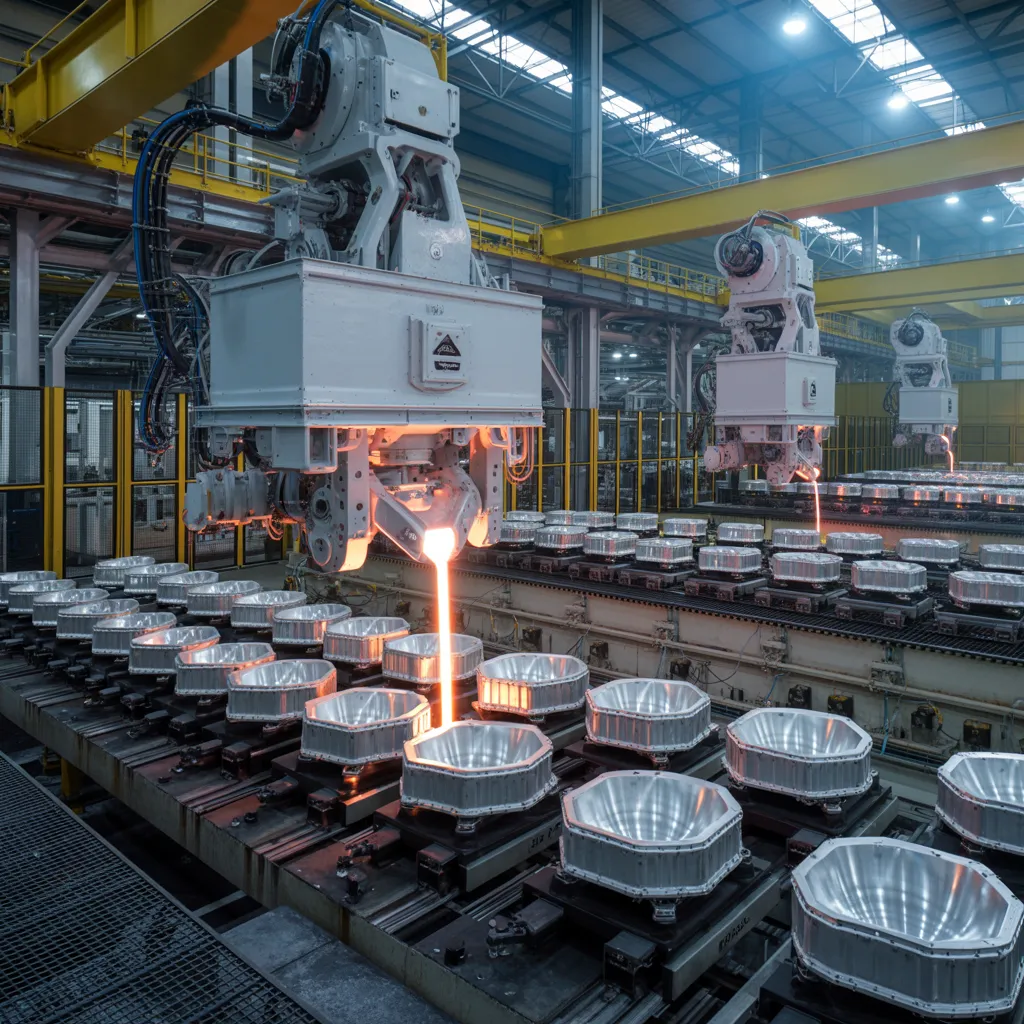
Review of Breakthroughs in Metal Casting
The field of metal casting has undergone significant transformations, fueled by progress in technology and materials. Traditional methods have been enhanced through the integration of automation, which streamlines production processes and improves precision. Advances in computer-aided design (CAD) allow engineers to develop complex patterns and components, reducing material waste and enhancing efficiency. Moreover, the introduction of new alloys and composite materials has expanded the capabilities of metal casting, enabling the manufacture of lightweight and resilient components that address varied industry requirements.
Furthermore, breakthroughs in melting and pouring technologies have enhanced energy efficiency and decreased emissions, advancing environmental sustainability goals. Automation and artificial intelligence are also progressing, facilitating real-time oversight and quality management. Collectively, these innovations are reshaping the landscape of metal casting, allowing producers to create superior products while reducing costs and ecological footprint.
The Rise of 3D Printing: Transforming Metal Casting
The incorporation of 3D printing into metal casting processes is revolutionizing the industry by providing enhanced design flexibility. This advancement allows for detailed geometries that were previously challenging to achieve. Additionally, it substantially decreases production time, optimizing the complete production workflow.
Greater Design Freedom
Innovative advancements in 3D printing techniques have substantially increased design versatility within the metal casting industry. This progression enables designers to craft elaborate geometric structures that were once unachievable with traditional methods. With additive manufacturing, sophisticated internal architectures and weight-optimized designs can be realized without the constraints inherent in conventional tooling. Additionally, the opportunity to iterate rapidly helps technical teams to experiment with a range of materials and structural configurations, promoting innovative solutions and creative development. Consequently, manufacturers can create bespoke components designed for particular specifications, ultimately leading to improved performance and functionality. This shift towards increased design autonomy not only optimizes the creative workflow but also promotes cooperative efforts among engineering and design teams, creating opportunities for more sophisticated applications in diverse sectors.
Shortened Production Time
Embracing 3D printing technology has substantially decreased production time in the metal casting industry. Conventional approaches often involve lengthy processes of pattern creation and mold production, which can hinder project timelines. However, 3D printing facilitates rapid prototyping and the direct creation of complex geometries, optimizing the entire workflow. By eliminating several intermediate steps, manufacturers can manufacture parts more quickly and effectively. This technology also supports just-in-time production, reducing the need for large inventories and minimizing waste. As companies embrace 3D printing, they realize significant time savings, allowing for faster response to market demands and a more flexible manufacturing process. Overall, the incorporation of 3D printing marks a groundbreaking shift toward improved efficiency in metal casting.
Intelligent Automation: Boosting Efficiency in Foundry Operations
Harnessing advanced automation reshapes foundry operations, delivering substantial gains in efficiency and productivity. Cutting-edge robotics and automated systems refine various processes, covering everything from mold preparation to metal pouring, decreasing manual labor and limiting human error. Such technologies facilitate real-time monitoring and control, improving workflows and maximizing resource utilization.
Automated machinery are capable of running without interruption, facilitating greater production volumes and consistent quality in cast manufacturing. Additionally, intelligent automation enables exact calibrations in reaction to changing conditions, strengthening production consistency.
Integration of automated solutions also improves worker safety by decreasing the reliance on staff in dangerous environments. This change not only enhances operational efficiency but also fosters a greener production methodology, as material waste and energy consumption are minimized.
How Data Analytics Improves Decision-Making in Metal Casting
Data analytics revolutionizes decision-making in metal casting by delivering insights that fuel operational improvements and strategic planning. By harnessing data from various sources, foundries are able to track production processes in real-time, identifying inefficiencies and areas for enhancement. Predictive analytics allows manufacturers to anticipate equipment failures and maintenance needs, reducing downtime and optimizing productivity.
Moreover, the analysis of data supports improved inventory control, confirming that materials remain available at critical times while limiting unnecessary overstock. This feature permits well-considered choices about distribution logistics and cost control. Advanced data visualization solutions transform complicated data into digestible insights, equipping teams to deliver prompt, research-supported determinations.
At its core, the incorporation of data analytics nurtures a culture of continuous improvement in metal casting operations, leading to higher quality products and improved competitiveness in the market. As the industry progresses, leveraging data will become essential for foundries looking to preserve their standing and achieve success.
Eco-Friendly Approaches in Metal Casting: Minimizing Waste and Energy
The integration of data analytics in metal casting not only enhances decision-making but also paves the way for more sustainable practices. By harnessing real-time data, foundries can optimize production processes, thus reducing waste and energy consumption. Modern monitoring systems uncover inefficiencies in casting operations, allowing for immediate adjustments that reduce material waste and energy usage.
In addition, the adoption of reclaimed materials has gained momentum within the manufacturing landscape. Production plants are progressively using reclaimed metal, which not only lowers material expenses but also reduces the environmental impact resulting from extracting and refining raw natural resources. Furthermore, emerging technologies such as three-dimensional printing facilitate the development of molds that consume less raw material while optimizing manufacturing efficiency.
Together, these eco-friendly approaches indicate a profound shift in the metal casting industry, emphasizing the industry's pledge to minimizing its carbon footprint while maintaining operational effectiveness and market competitiveness.
Conquering Tech Adoption Obstacles in Foundries
Navigating the challenges of technological integration creates substantial obstacles for foundries, often hindering their advancement in modernization. One primary obstacle is the considerable upfront cost required for advanced technologies, which can pressure financial resources, particularly for smaller establishments. Furthermore, the existing workforce may be deficient in the required expertise to manage cutting-edge systems, necessitating expensive training programs. Resistance to change among employees can also obstruct the integration of new systems, as long-standing practices are deeply ingrained.
Furthermore, foundries need to address the merging of modern technologies with older infrastructure, which can create integration challenges. Supply chain disruptions can also emerge when obtaining specialized materials or parts, disrupting production timelines. Ultimately, the fast-moving nature of technological change creates obstacles for foundries striving to stay relevant, resulting in the possible depreciation of recent capital expenditures. Overcoming these hurdles is essential for manufacturing operations looking to strengthen efficiency and read now competitive advantage in a dynamically transforming competitive environment.
Emerging Trends in Metal Casting Technologies
Steering through the complexities of technological advancement has illuminated the need for foundries to explore cutting-edge methods in metal casting. Industry forecasts point to a shift towards automation, with robotics improving efficiency and precision in production lines. Advanced data analytics and artificial intelligence are anticipated to revolutionize manufacturing decisions, enabling live monitoring capabilities and proactive maintenance. Furthermore, the integration of additive manufacturing is anticipated to create new possibilities for complex geometries and lightweight designs, cutting down on material consumption. Sustainability will also serve a critical function, as foundries increasingly incorporate green materials and energy-saving methods. Beyond this, the rise of smart foundries, leveraging the Internet of Things (IoT), promises improved operational efficiency and greater connectivity. As these trends evolve, they will not only reshape operational potential but also position metal casting as a critical player in the evolution of modern manufacturing.
Questions We Frequently Receive
Which Materials Work Best for 3D Printing in Metal Casting?
Aluminum, stainless steel, and titanium stand among the finest materials used in metal casting 3D printing. These metals offer excellent strength, lightweight properties, and corrosion resistance, making them highly suitable for numerous industrial uses.
What Are the Environmental Impacts of Metal Casting?
The metal casting process affects the environment by way of energy consumption, resource extraction, and harmful emissions. However, advancements in sustainable practices and recycling initiatives aim to enhance efficiency and reduce waste, possibly reducing negative ecological effects connected to traditional metal casting processes.
What Are the Financial Considerations for Implementing New Technologies in Foundries?
Introducing emerging technologies in metalworking facilities involves expenses associated with the purchase of machinery, staff training, system maintenance, and possible operational downtime during changes. These financial commitments can be considerable, but may over time lead to enhanced productivity and reduced long-term operational costs.
What Skills Are Needed for Workers in Modern Metal Casting Facilities
Workers in modern metal casting plants require skills in metallurgy, quality control, automation, and computer-aided design. Proficiency in running sophisticated machines and comprehending digital systems is critical for productive operations and ensuring operational safety.
In What Ways Do Innovations Impact Traditional Metal Casting Methods?
Breakthroughs enhance established metal casting techniques by improving efficiency, precision, and automation. Cutting-edge solutions simplify operations, minimize inefficiencies, and allow for sophisticated designs, ultimately transforming the craftsmanship and productivity of metal casting facilities.